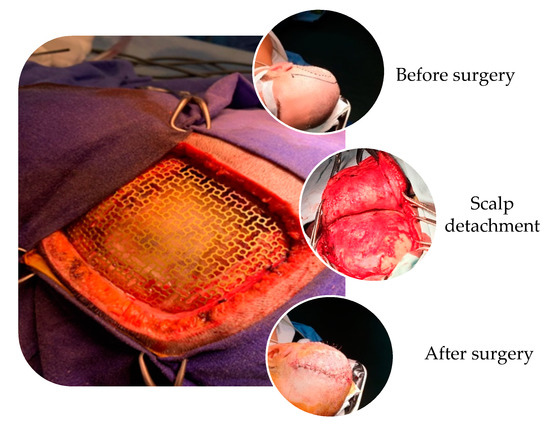
Titanium cranioplasty procedure in the case of a large defect. Copyright Simona Cavalu et al.
The Importance of Nano-Structured Surface on Titanium Implants. Titanium mesh or plates can be used in cranioplasty either alone or in conjunction with other synthetic materials, such as hydroxyapatite, calcium phosphate, and polyethylene.
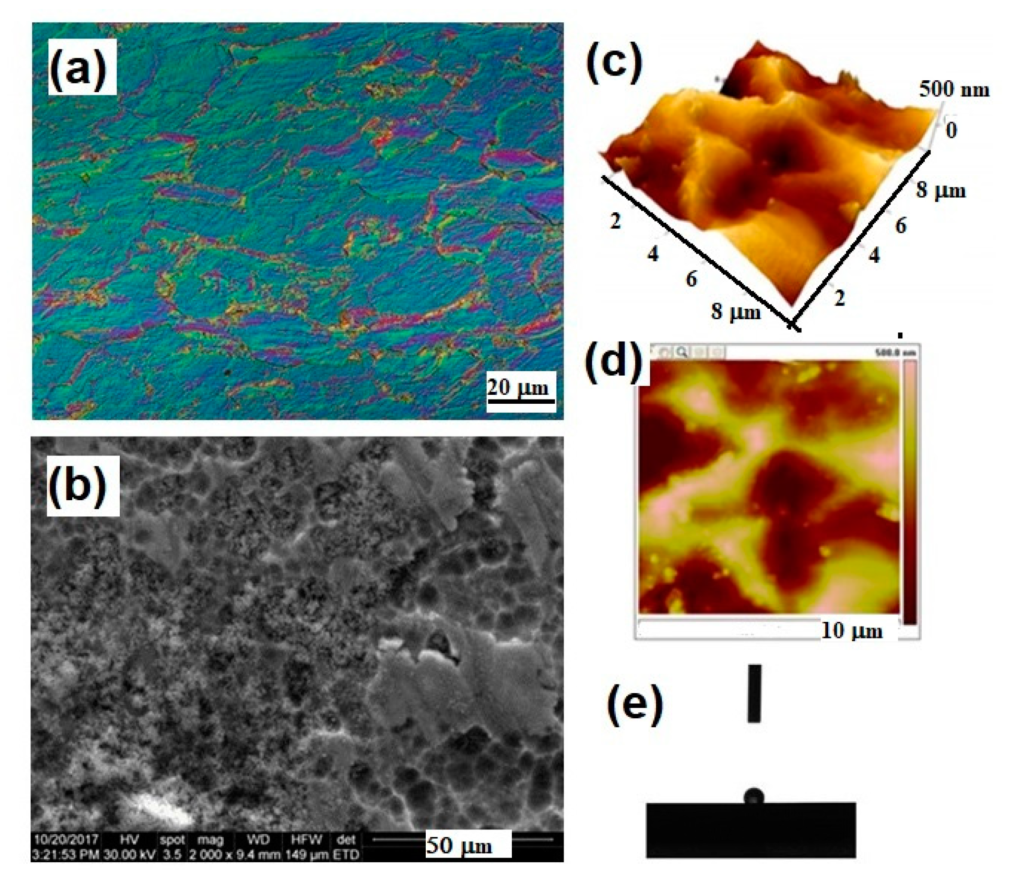
Surface properties of Ti mesh for cranioplasty evidenced by different microscopic techniques. Copyright Simona Cavalu et al.The main sequence of events occurring in vivo, during interaction between Ti surface and biological environment. Copyright Simona Cavalu et al.(a) The flow chart of SeNPs production via hydrothermal reaction using different saccharides as reducing agent; (b) TEM image of SeNPs used for the surface modifications of Ti mesh for cranioplasty, along with the surface morphology of the coating upon in situ SeNPs deposition and details of fibroblasts adhesion on the nanostructured Ti surface. Copyright Simona Cavalu et al.
This review emphasized the main reasons why titanium mesh is preferred for skull reconstructions along with the importance of developing innovative surface structures with a dual benefit in terms of improved osteointegration and enhanced antibacterial activity to reduce the risk of post-surgical infection, knowing that infections are the main complication in cranioplasty surgeries.